There’s a moment right before you step into a cold plunge when every part of you says no.
And then you do it anyway. You breathe. You stay. And when you step out, something has shifted. You feel awake, clear and a little proud of yourself.
That’s the heart of contrast therapy: choosing a small, controlled challenge so your body and mind can practice meeting it.
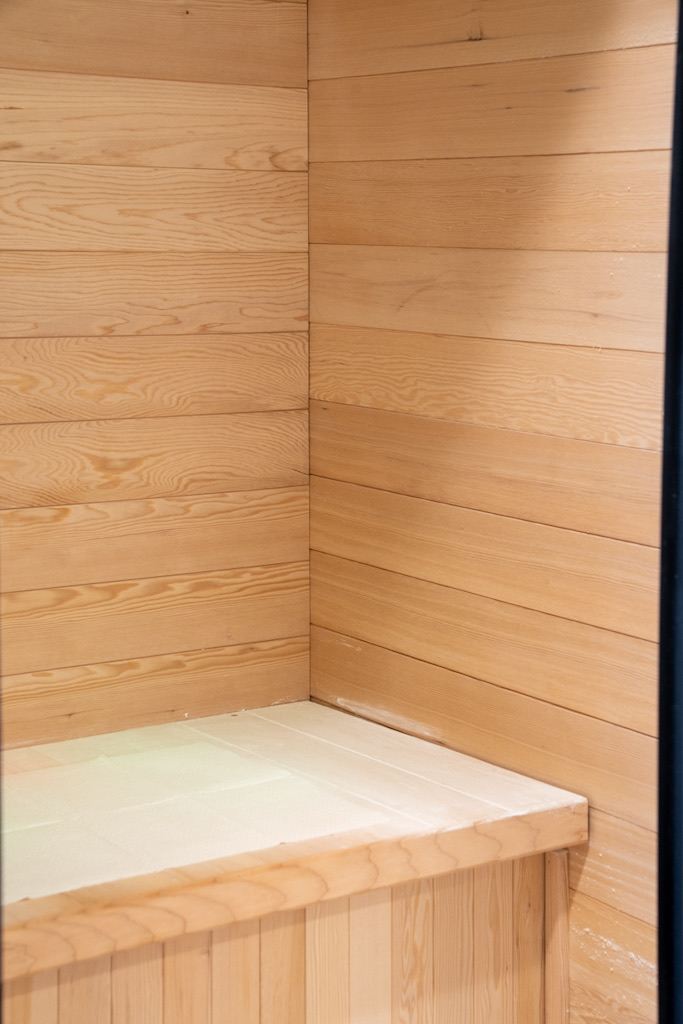
Contrast therapy means moving back and forth between heat and cold. At Spectra, that’s a sauna followed by a cold plunge, repeated for a few rounds.
Heat helps blood vessels open and muscles relax. Cold makes blood vessels constrict and sends a strong wake-up signal through the nervous system. Moving between the two creates a kind of workout for your circulation and your stress response.
Research on heat and cold exposure is still growing, and individual responses vary. People often turn to contrast therapy to support:
Long-term observational studies from Finland have also linked regular sauna use with heart health benefits, though those studies show association, not cause.
The first few seconds in cold water usually bring a gasp and a rush of panic. That’s your body’s cold shock response, and it’s completely normal.
What matters is what you do next. Slow, steady breathing, especially a long exhale, helps you move out of panic and back into control. That’s why our weekly class is guided. Breathwork coach Keith (@keithkempbreath) walks you through each round so you learn to work with your body instead of fighting it.
You never have to push past what feels safe. The goal is a challenge, not a punishment.
Contrast therapy isn’t right for everyone. Talk with your practitioner before trying it if you are pregnant, have a heart condition or high blood pressure, have Raynaud’s or a circulation disorder, or have a history of fainting.
Stay hydrated, skip alcohol beforehand, and never practice breath-holding in the water.
Guided Contrast Therapy runs every Wednesday at Spectra Wellness. It’s a sauna, a cold plunge and intentional breathwork in a supportive group setting, and a great way to end a long day.
Spaces are limited, so reserve your spot through the Mindbody app.
Heat. Cold. Breath. Repeat.
Medicine redefined. Health reimagined.
This article is for education only and is not medical advice. Individual responses vary.