
Most of us only get a scan after something goes wrong. A pain that won’t quit. A symptom that finally gets loud enough to take seriously.But more people are asking a different question: what if I could look before something goes wrong?
That question is why proactive imaging, like full-body MRI and cardiac CT angiography (CCTA), has become one of the most talked-about tools in preventive health. On October 16 at our Grand Opening Spectra Wellness is partnering with TrueScan, a Tampa imaging center offering both, so we hear about it every week. Here’s what you should know.
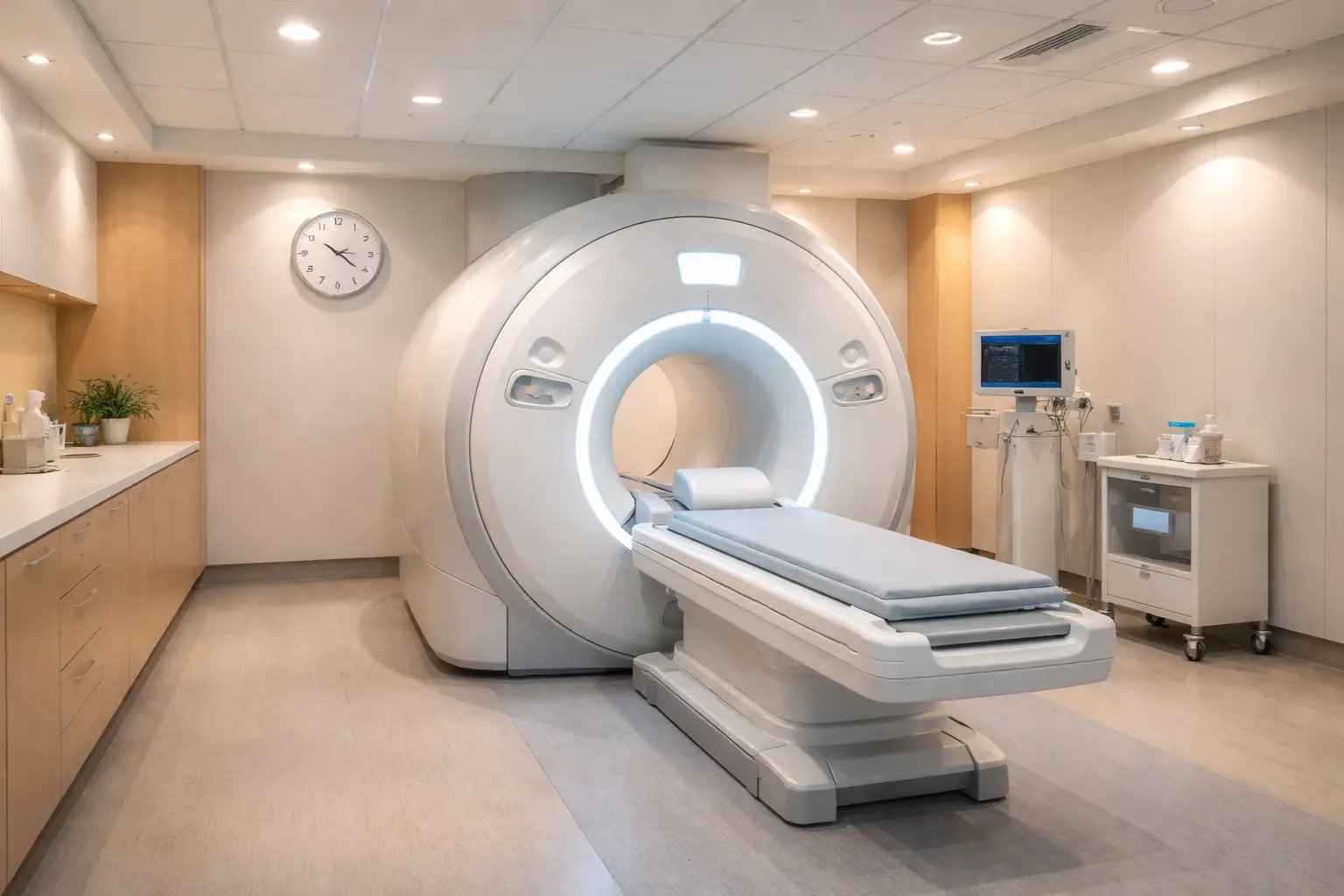
MRI uses a strong magnetic field and radio waves to create detailed images of soft tissue. That means organs, the brain, the spine, joints and more.
Two things make it appealing as a screening tool:
A full-body MRI can sometimes identify masses, cysts, aneurysms, disc problems and other changes before they cause symptoms.
Heart disease is often silent until it isn’t. A cardiac CT angiogram uses CT imaging and contrast dye to look at the arteries that supply your heart.
It can show plaque buildup, including soft, non-calcified plaque that a standard calcium score can miss, as well as how much an artery has narrowed. CCTA does use a small dose of radiation, so it’s a decision to make with a practitioner who knows your history.
We believe you deserve the full picture, so here is the honest part.
That last point is where whole-person care comes in.
At Spectra, a scan is never the end of the story. Results are most useful when they’re interpreted alongside your labs, family history, lifestyle, stress, sleep and goals.
A finding of early arterial plaque, for example, opens a conversation about blood sugar, inflammation, cholesterol particles, movement and nutrition. A clear scan can offer real peace of mind, and a baseline to compare against in the future.
There is no one-size-fits-all answer, but people often explore it when they:
If you’re unsure, start with a conversation. That’s what we’re here for.
We’re celebrating the opening of our new space on Friday, October 16, from 4 to 7 PM at 504 N Reo St, Tampa. Our giveaways include a radiation-free full-body MRI and a TrueScan CCTA heart and plaque assessment.
Come tour the space, meet our team and partners, and ask your questions in person. RSVP HERE.
Medicine redefined. Health reimagined.
This article is for education only and is not medical advice. Talk with your healthcare practitioner about whether imaging is appropriate for you.


If you’ve been feeling off, tired, inflamed, foggy or just not like yourself, there’s a good chance you’ve been sabotaged by two invisible culprits: stress
